

By Henry Balogun
By 2027, Nigerians will once again face the most important political decision of a generation. The question will not simply be who wants to be president — it will be who is best positioned to lead Nigeria through the next four years of transformation, stability, and growth.
In the face of global economic turbulence, persistent security threats, and the urgent need for reform at home, the presidency demands more than rhetoric. It demands results, networks, capacity, and political will.
President Bola Ahmed Tinubu entered office in 2023 with a Renewed Hope Agenda that is reshaping the nation’s trajectory — through tough economic reforms, unprecedented infrastructure expansion, and strategic positioning of Nigeria in the global arena.
So, as the campaigns of 2027 approach, one question must echo in the hearts of Nigerians:
If not him, then who?

The Gathering of the Disgruntled and the Man They Can’t Ignore
Just about a month ago, a collection of familiar political names gathered in Abuja under the banner of the African Democratic Congress (ADC) — a name that suggests vision and unity but, at present, could just as easily stand for “All Disgruntled Candidates”.
It was a colourful mix: former aspirants, ex-governors, party crossers, and political journeymen. Their speeches had energy. Their social media clips had hashtags. But strip away the theatre, and what remained? One common thread: they are against Bola Ahmed Tinubu.
-Not for a coherent economic plan.
-Not for a new security doctrine.
-Not for a transformative national vision.
-Just… against Tinubu.
The Missing “For”
Political opposition is healthy in a democracy. But opposition without proposition is empty noise. The ADC bloc and other recent gatherings have yet to present:
-A credible national economic recovery plan.
-A roadmap for energy security and industrial growth.
-A viable coalition with nationwide electoral reach.
For a country as complex and diverse as Nigeria, being against someone is not enough to govern.
The Record They Can’t Deny: Two Years of Laying the Foundation
While the opposition drafts tweets, Tinubu is delivering. In just over two years:
Economic Reforms: Removal of fuel subsidy and unification of exchange rates — painful but necessary steps to stabilise Nigeria’s fiscal future and create a sustainable economic path.
Infrastructure Acceleration: Lagos–Calabar Coastal Highway, renewed rail projects, completion of critical road corridors, and aggressive expansion of energy infrastructure.
Security Reshaping: Modernisation of military equipment, expansion of counter-insurgency operations, and a multi-pronged approach to kidnapping and banditry.
Agricultural Drive: Special Agro-Processing Zones, 500,000 hectares for dry-season farming, and mechanisation programmes to push for food security.
Diaspora Engagement & Global Standing: Strategic foreign trips resulting in billions in investment commitments from the UAE, Saudi Arabia, India, Germany, and the US.
Youth & Digital Economy: Nigeria’s tech ecosystem positioned for exponential growth through targeted funding and policy reforms.
The Alternatives: The Reality Check
Atiku Abubakar (PDP)
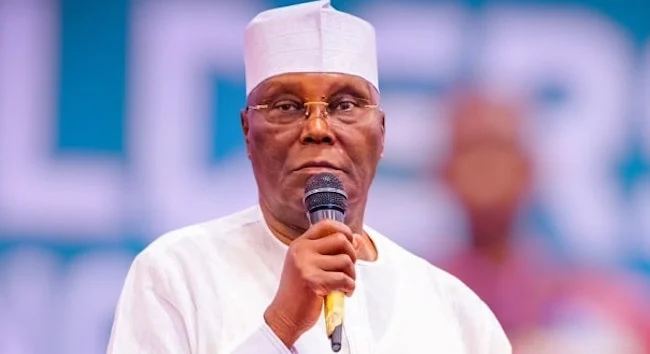
-Former vice president Six-time presidential aspirant with decades in politics but no executive record of tangible achievements even as Nigeria’s former vice president for eight years.
-Restructuring rhetoric lacked actionable timelines and coalition-building beyond PDP loyalists.
2023 results showed waning grassroots momentum.
Goodluck Jonathan (PDP)
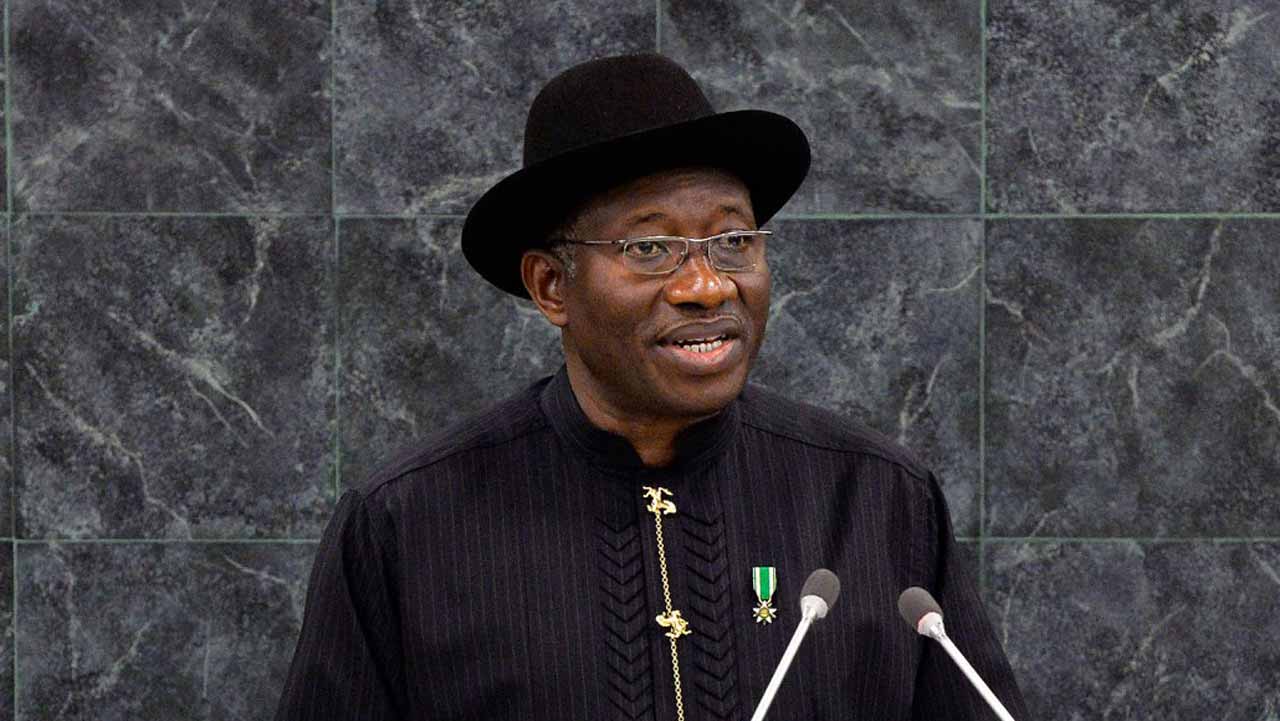
-Former president, respected for peaceful concession in 2015.
-Record still marred by perceptions of corruption tolerance and weak anti-insurgency strategy.
-Would struggle to rebrand as the future rather than the past.
Peter Obi (No Fixed Party)
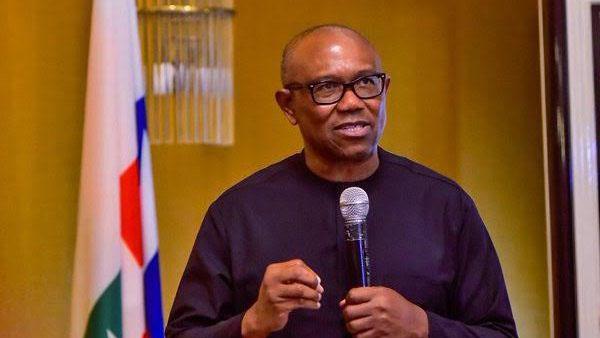
-Popular with urban youth and diaspora Nigerians, but limited rural penetration and weak machinery in the North-West and North-East.
-Administrative record in Anambra notable for fiscal prudence but small in scale compared to Nigeria’s presidential demands.
-No notable achievements or legacy as governor of Anambra State.
-Struggles with coalition politics and federal negotiation.
Nasir El-Rufai (ADC)

-Strong technocrat credentials from FCT and Kaduna.
-Divisive national image; Kaduna tenure left lingering security and social tensions.
-No nationwide electoral machinery to rival APC/PDP.
Rotimi Amaechi (ADC)
-Former Minister of Transport and Rivers State governor with notable rail and port projects.
-Lacks broad-based national coalition.
-2023 APC primaries revealed limited consolidation capacity beyond southern blocs.
Why the Choice is Clear
-Leadership is not an experiment — it is a continuation of vision, stability, and reform momentum.
-Tinubu’s political coalition spans North and South, urban and rural — unmatched by any contender.
-His policy network connects global investors, regional power brokers, and grassroots mobilisers.
-The Renewed Hope Agenda is still in its mid-phase — 2027–2031 is when Nigerians will reap the full harvest of the painful reforms of 2023–2025.
The PBAT Legacy Files
This is only a snapshot. Soon, The PBAT Legacy Files will present a comprehensive, fact-based chronicle of Bola Ahmed Tinubu’s presidency — the reforms, the challenges, the milestones, and the vision for Nigeria’s future.
For those serious about Nigeria’s progress, that conversation begins now. The work has commenced and is ongoing. The noise can wait. Yes, No Noise. Just Work!
The 2027 Question
Nigeria stands at a crossroads. We can change captains mid-course and risk starting over — or we can consolidate, complete the reforms, and secure the gains.
If the election were tomorrow, Nigerians would have to weigh tangible results against opposition theatrics.
President Tinubu’s tenure is still in mid-stride — the reforms are just beginning to show returns. Disrupting that trajectory in 2027 risks sending Nigeria back to the drawing board.
Our journey to future Nigeria is underway and every Nigerian, everywhere around the world is invited.
So I ask again: If not him, then who?
Henry Balogun is a lawyer, entrepreneur, media and public communications consultant. He is also publisher of HB Report and the Convener, Friends of PBAT and Founder / DG of the Renewed Hope Media Network.