

A Dismissal of Her Citizenship Claim — and a Rebuke of Her Career Strategy By Henry Balogun
“When ignorance meets ambition, the result is often noise masquerading as insight.” — Unknown
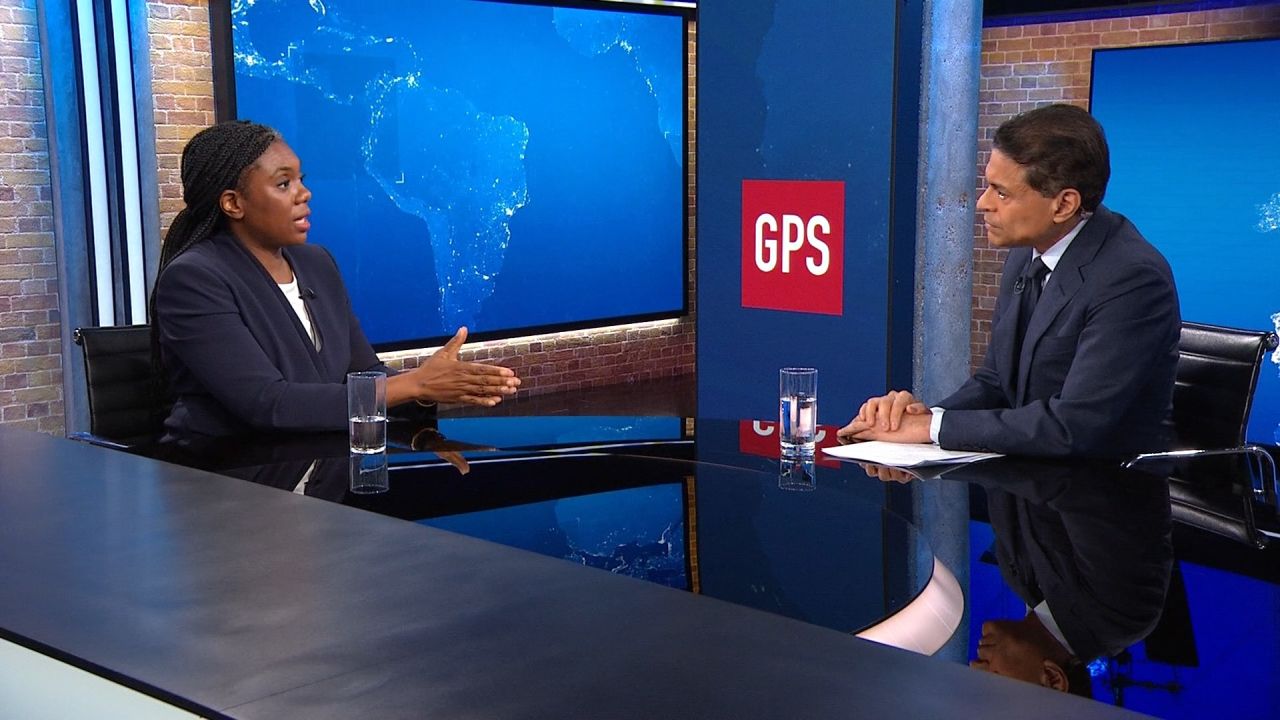
Kemi Badenoch’s recent comments on CNN’s Fareed Zakaria GPS, where she falsely claimed that her children “can’t get Nigerian citizenship because I’m a woman,” have drawn sharp and necessary criticism—because they were not only factually wrong, but morally bankrupt.
Her statement was more than a gaffe. It was a calculated insult. A textbook example of the desperate contortions some public figures perform to distance themselves from their country of origin and curry favour with audiences who thrive on condescension towards Africa.
And in doing so, Kemi didn’t just distort the truth—she demeaned it.
What Kemi Badenoch Said vs. What the Law Says
What Kemi Badenoch Said
“My children can’t get Nigerian citizenship because I’m a woman.”
— Kemi Badenoch, CNN Interview, July 2025
What the Nigerian Constitution Actually Says
Section 25(1)(c) of the 1999 Constitution of Nigeria clearly states:
“Every person born outside Nigeria either of whose father or mother is a citizen of Nigeria shall be a citizen of Nigeria.”
There is no gender discrimination. Citizenship by descent flows equally through mother or father.
This is not open to interpretation. It is black-letter law.
Prominent Nigerian legal experts and even fact-checkers like Dubawa and Femi Falana, SAN, have publicly corrected her, making it unequivocally clear that Badenoch’s claim was false.
The More Despicable Truth
What makes Kemi’s statement not just ignorant, but intellectually dishonest, is the deafening absence of any evidence that she ever attempted to apply for Nigerian citizenship or passports for her children in the first place.
Nowhere has she shown:
- That she visited the Nigerian High Commission in London.
- That she submitted any application on behalf of her children.
- That the application was rejected.
The Truth?
I suspect she never wanted her children to be associated with Nigeria at all. Her disavowal is not the result of a failed process—but a premeditated preference. A political posture dressed up as victimhood.
And now, when it suits her, she weaponises this non-attempt as “proof” of Nigeria’s systemic flaws.
Let us be blunt: this is not the behaviour of a misunderstood Nigerian; it is the behaviour of someone who has long resolved to disown Nigeria, unless invoking it offers political mileage or moral capital.
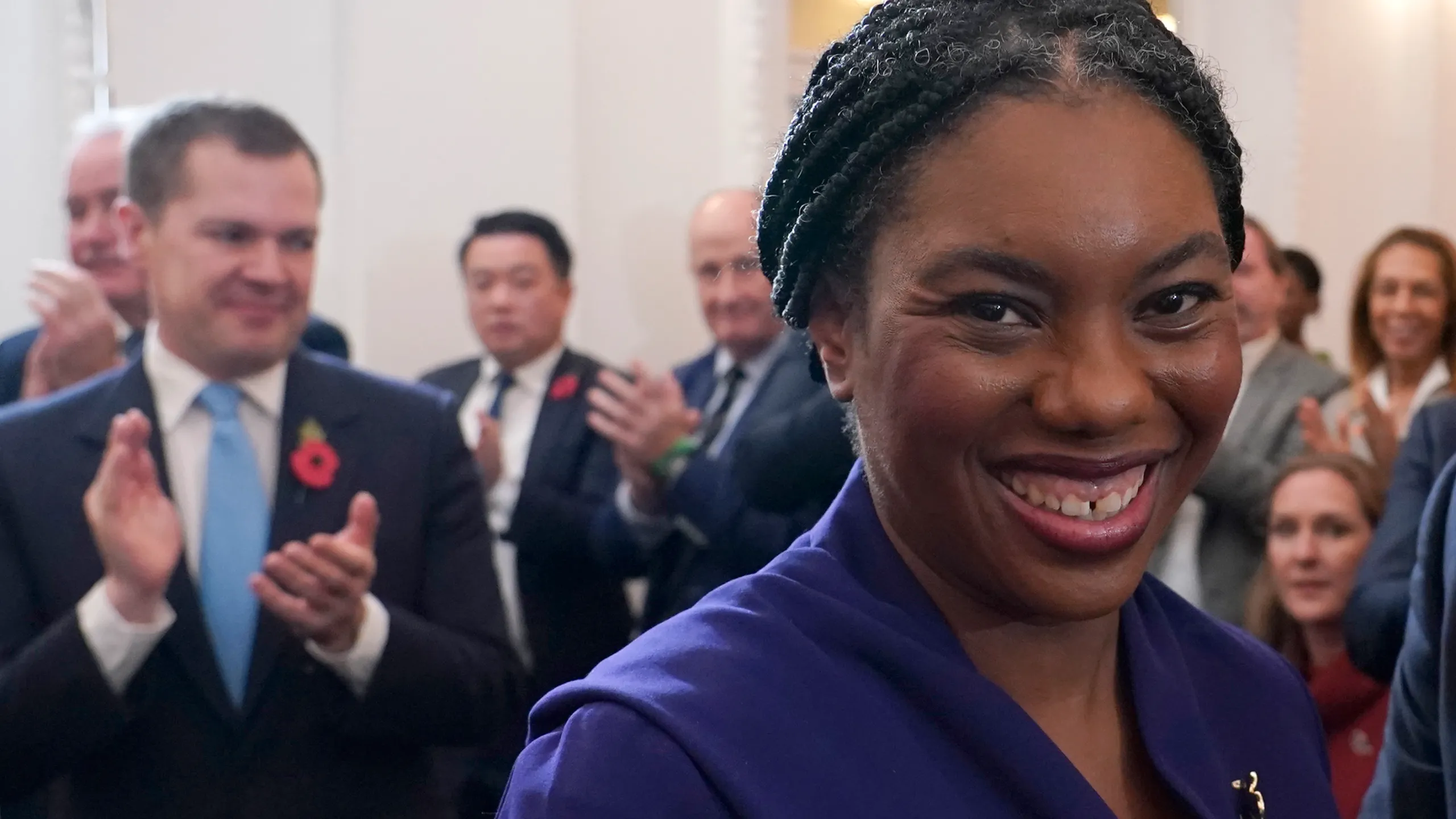
The Anti-Nigerian Tool: A Strategy of Pandering
This isn’t her first attempt to exploit this formula: the “I’m Black, but not too Black” political pitch. It’s a pattern:
- Denial of systemic racism in the UK?
- Opposition to decolonising education?
- Attacks on multiculturalism?
- Falsifying Nigerian law on CNN?
Kemi Badenoch has fully embraced the role of the anti-Nigerian, anti-African avatar, tailor-made to win applause from the more xenophobic wing of the British electorate.
But here’s the thing: Nigerians are watching. And we’re not clapping.
What Class Really Looks Like
There is a type of success that wears its roots like a crown. And then, there’s the other kind—the kind that hides its roots like a blemish. Kemi Badenoch is rapidly becoming a poster child for the latter.
It’s not about whether she identifies with Nigeria daily. It’s about not weaponising our country’s name to uplift your own.
To do so on an international platform, with a lie no less, is to not only disrespect the truth, but to drag Nigeria through the mud for the benefit of a personal political campaign.
And that, in the words of any seasoned Nigerian observer, is simply “unclassy.”
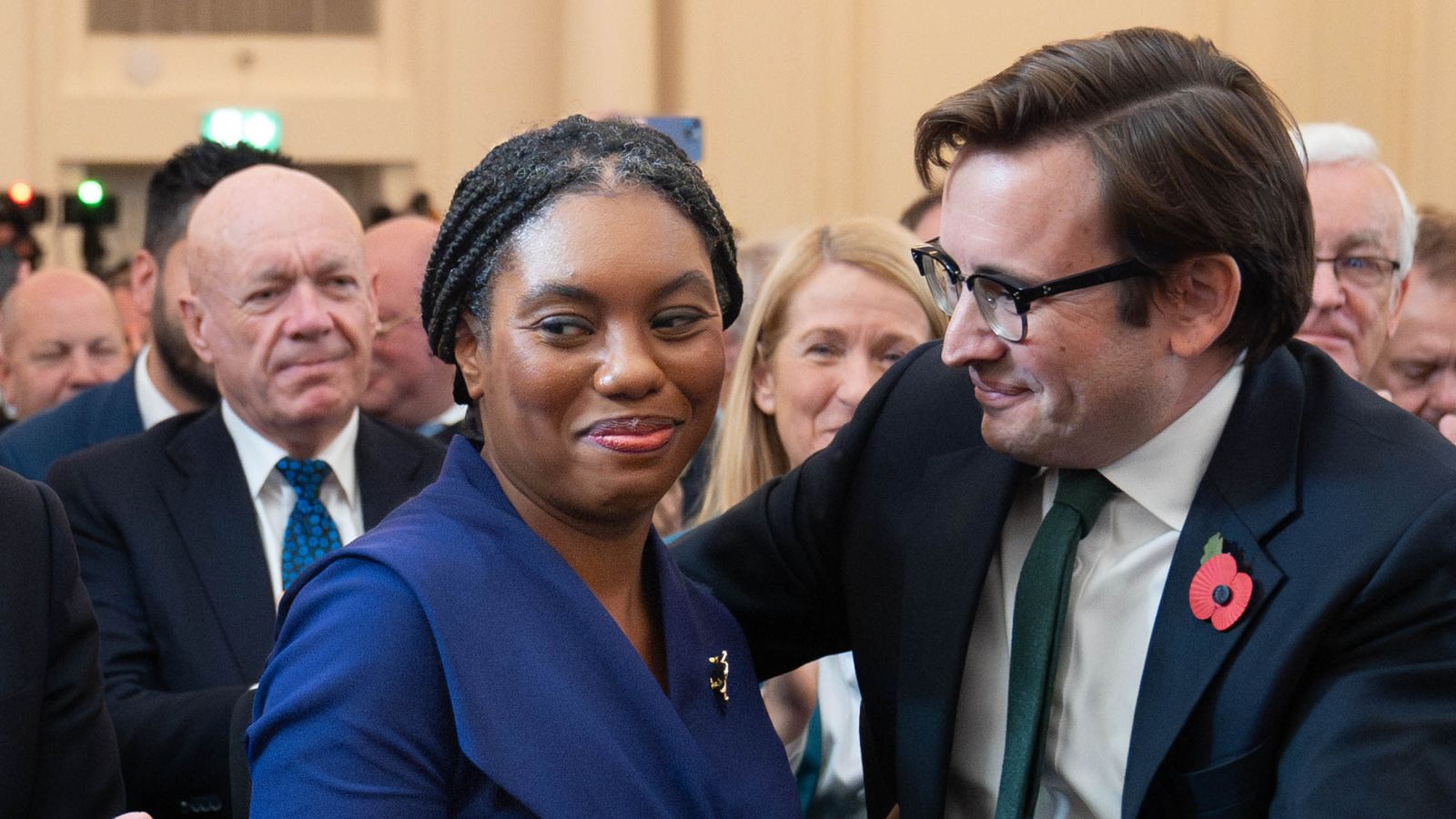
Nigeria Is Not Your Punchline
Nigeria has its flaws. But we are not your anecdote. We are not the caricature you paint to impress foreign anchors. And your children are entitled to Nigerian citizenship—if you ever had the courage, sincerity, or pride to request it.
We don’t need your endorsement. But we demand your honesty.
And when that fails, we reserve the right to call out the ignorance—especially when it’s wearing a British minister’s pin.
Final Word
Kemi Badenoch’s CNN appearance was a moment of truth—not for Nigeria, but for her. In trying to showcase a problem in Nigerian law, she instead exposed a flaw in her character.
Ignorance may be forgivable. But calculated misinformation and wilful self-denial, used to demean your country of origin, is not.
Let her pursue her ambitions. Let her climb whatever ladder Number 10 offers.
But not on the back of lies.
Not at the expense of Nigeria.
And certainly not while pretending we’re too dim to read our own constitution.
About the Author
Henry Balogun is the Founder of HB Report, a lawyer, media entrepreneur, and government relations advisor. He served as Chief of Staff, Office of the Deputy Governor of Lagos State (2003–2007) during President Tinubu’s tenure as governor and writes on statecraft, governance, and leadership in Africa.