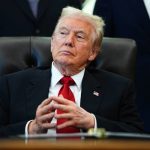


US President Donald Trump has revealed plans to raise tariffs on cars and trucks imported from the European Union to 25%, a move expected to intensify ongoing trade tensions between Washington and Brussels.
The announcement follows Trump’s claim that the EU has not fully respected an earlier trade understanding reached last year, which set a 15% cap on US tariffs for European vehicles and auto parts. That agreement had been presented as a step toward easing long-standing trade frictions between both sides.
However, the US president did not give detailed evidence of the alleged breach. He stated that the decision to increase duties was based on what he described as the EU’s failure to meet its commitments under the deal, adding that the new tariff level would begin next week.
European Union officials responded by insisting that they are still implementing the agreement through normal legislative processes and remain in communication with US authorities. They also indicated that the bloc could consider defensive measures if Washington proceeds with changes that undermine the pact.
The development comes at a sensitive time in US–EU trade relations, with both sides still engaged in discussions over wider economic issues, including existing tariffs on steel and other industrial goods. European lawmakers had recently supported elements of the trade framework, though further approvals are still required before full enforcement.
Industry observers warn that the uncertainty surrounding tariff policy could create instability for manufacturers and exporters operating across the Atlantic. The automotive sector, in particular, is expected to be heavily affected, with Germany among the countries most exposed due to its large volume of vehicle exports to the United States.
The United States remains one of the top destinations for European cars, making any change in tariff levels a significant concern for the industry. Analysts say the latest announcement could further complicate efforts to stabilise trade relations between both economic powers.