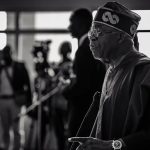


Minister of Finance, Wale Edun, has attributed the economic hardships faced by Nigerians under President Bola Ahmed Tinubu’s administration to the failure of past governments to implement necessary economic reforms.
Speaking in Abuja on Friday at the launch of the ‘Federal Civil Service Policies and Guidelines on Rewards’, Edun explained that the challenges Nigerians are currently experiencing, including rising fuel prices and inflation, are a consequence of long-overdue reforms that were not executed by previous administrations.
The economic measures, including the removal of fuel subsidies and the floating of the Naira in June 2023, have led to significant increases in fuel prices and exchange rates.
Fuel prices soared above N1060 per litre from N234, while the Naira’s value dropped from N195 to N1652 per dollar.
Despite the pain and discomfort caused by these reforms, Edun emphasized that the changes were necessary for the long-term health of the economy, with tangible benefits starting to emerge.
He acknowledged the immediate challenges but stressed that the reforms were essential for national progress.“After 18 months of bold and necessary reforms that Mr. President has implemented, the country has changed, and yes, the reforms were so long overdue that it caused an element of pain, discomfort, difficulty, and increased cost of living.
But the successes and the gains are coming through,” Edun stated.He further pointed out that the market-based pricing of foreign exchange had already yielded positive outcomes, benefiting the federal, state, and local governments by reducing subsidy expenditure, which previously accounted for around 5 percent of the country’s GDP.
Meanwhile, recent data from the National Bureau of Statistics revealed a significant rise in inflation, with October 2024 headline inflation reaching 33.88 percent and food inflation climbing to 39.16 percent.
These increases have further eroded the purchasing power of Nigerians, deepening the country’s economic challenges