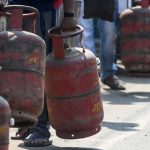


Niger has prohibited the export of petrol and diesel produced in the country, directing that local demand must be met before any surplus fuel can be sold abroad.
The restriction was announced by the country’s Minister of Trade and Industry, Abdoulaye Seydou, in a ministerial order published on Saturday, October 17, 2026.
Under the directive, exports of the two petroleum products are prohibited, except for surplus supplies from state-owned petroleum company SONIDEP and the Zinder refinery operator, SORAZ, which require special approval from the trade minister.
The government has also authorised trade officials, customs officers and security agencies to monitor compliance and enforce penalties against violators under existing laws.
The move comes amid fuel supply challenges in Niger’s capital, Niamey, and growing uncertainty in international energy markets linked to the conflict in the Middle East.
Niger joins several countries that have restricted petroleum product exports in 2026 to safeguard domestic availability and reduce the impact of supply disruptions on local consumers.
The global situation has been further complicated by rising crude oil prices and attacks on energy infrastructure. Brent crude briefly reached $110 per barrel on Friday, October 16, amid concerns about supplies from the Middle East and damage to Russian energy facilities.
Niger produces refined petroleum products through its Zinder refinery, which has a processing capacity of about 20,000 barrels per day. SONIDEP is responsible for purchasing, storing, distributing and marketing petroleum products in the country.
Meanwhile, Nigeria continues to rely increasingly on domestic refining to reduce its dependence on imported fuel, particularly following the start of operations at the Dangote Petroleum Refinery.
However, the country’s fuel import licensing policy remains the subject of a legal dispute between regulators, oil marketers and the Dangote refinery.
In September, the Federal High Court in Abuja directed the Nigerian Midstream and Downstream Petroleum Regulatory Authority to continue issuing fuel import licences to Matrix Energy, AA Rano and AYM Shafa.
The Dangote refinery has since approached the Court of Appeal to challenge the ruling, keeping the debate over fuel imports and the protection of local refining investments alive.