

Iran has approved the general framework of a plan that would prevent vessels and equipment belonging to the United States, Israel and other countries it considers hostile from passing through the Strait of Hormuz.
Valiullah Bayati, spokesperson for Iran’s Parliamentary Committee on Councils, said the proposed strategic plan is aimed at managing security and economic activity in the Strait of Hormuz and the Persian Gulf. He said the committee approved the broad outline after considering members’ views.
Bayati said the restrictions were being proposed in response to what Tehran described as hostile actions by the countries concerned against Iran.
The development comes as tensions around the Strait of Hormuz continue to rise amid the ongoing US-Iran conflict. The waterway is a major route for international energy shipments, and disruption to traffic has raised concerns about oil and gas supplies and the wider global economy.
The latest tensions have also drawn increased regional diplomatic and military activity. Saudi Arabia’s Crown Prince Mohammed bin Salman held talks with US Central Command chief Admiral Brad Cooper on regional security, defence cooperation and efforts to reduce tensions.
Saudi Arabia has also moved forward with a multinational maritime defence alliance, with representatives from 39 countries taking part in a planning meeting in Jeddah. The Saudi Defence Ministry said the meeting was an important step toward activating the alliance.
Washington, meanwhile, has placed greater emphasis on controlling energy prices. US Vice President JD Vance said keeping oil and gas prices affordable for Americans was the administration’s immediate priority, while preventing Iran from acquiring nuclear weapons remained another major objective.
US officials have also threatened further economic measures against Tehran. Treasury Secretary Scott Bessent said Washington planned to introduce additional sanctions and restrictions, while Defence Secretary Pete Hegseth said the US Navy could sustain its blockade of Iran for an indefinite period through rotating forces in the region.
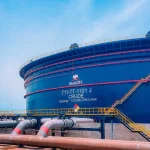
The confrontation has already affected shipping through the Strait. Two tankers linked to the UAE’s Abu Dhabi National Oil Company were reportedly attacked while travelling through the waterway, prompting condemnation from the Gulf Cooperation Council.
The GCC described the incident as a serious escalation and a violation of international law, while tensions have continued to fuel uncertainty across global energy markets.
Shipping activity through the strait has dropped sharply since the conflict began. The disruption is particularly significant because the waterway previously carried a substantial share of the world’s oil and liquefied natural gas exports.
The International Energy Agency has also revised its outlook for global oil supply, warning that production could fall by about 4.3 million barrels per day this year as the conflict continues.
With diplomatic efforts yet to produce a lasting settlement, control of the Strait of Hormuz has emerged as one of the central points of confrontation between Tehran and Washington, with the potential consequences extending well beyond the Middle East.