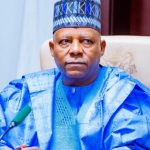
Muhammadu Buhari, Nigeria’s former president and one of the most influential political figures in the country’s modern history, has passed away at the age of 82. His death was confirmed on Sunday by his press secretary.
Buhari died in London, where he had been undergoing medical treatment in recent weeks.
A retired major general, Buhari served as Nigeria’s head of state twice—first as a military ruler from 1983 to 1985, and later as a democratically elected president from 2015 to 2023. His return to power through the ballot box made history in 2015, as he became the first opposition candidate to unseat an incumbent president.
During his presidency, Buhari grappled with severe economic challenges and a prolonged battle against insurgent groups, including Boko Haram. His administration was marked by efforts to combat corruption, reform agriculture, and strengthen national security, though critics often pointed to rising inflation, unemployment, and growing insecurity under his leadership.
Buhari leaves behind a complex legacy, having played key roles in both military and civilian governance across decades of Nigeria’s political evolution.