

Lagos. A city of dreams and dread. Of hustle and hope. Of fast cars and faster tempers. It is here, along the manicured edges of the Lekki Peninsula—Nigeria’s poster child of urban aspiration—that a singular moment ignited a digital wildfire, singeing reputations and sparking fierce debates across the nation’s airwaves.
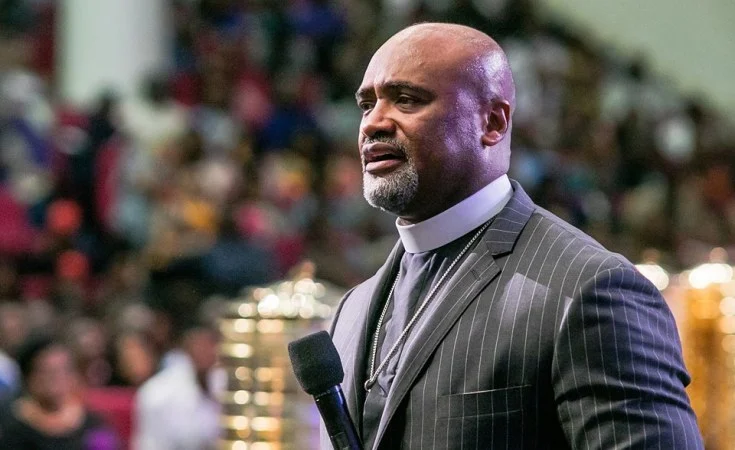
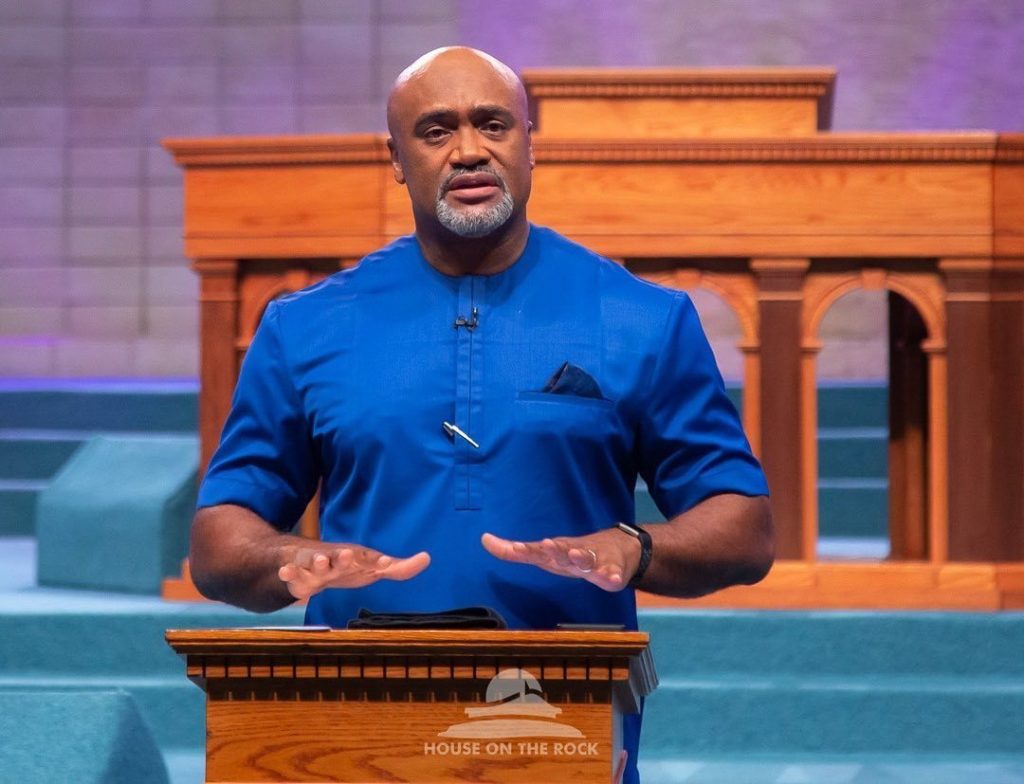
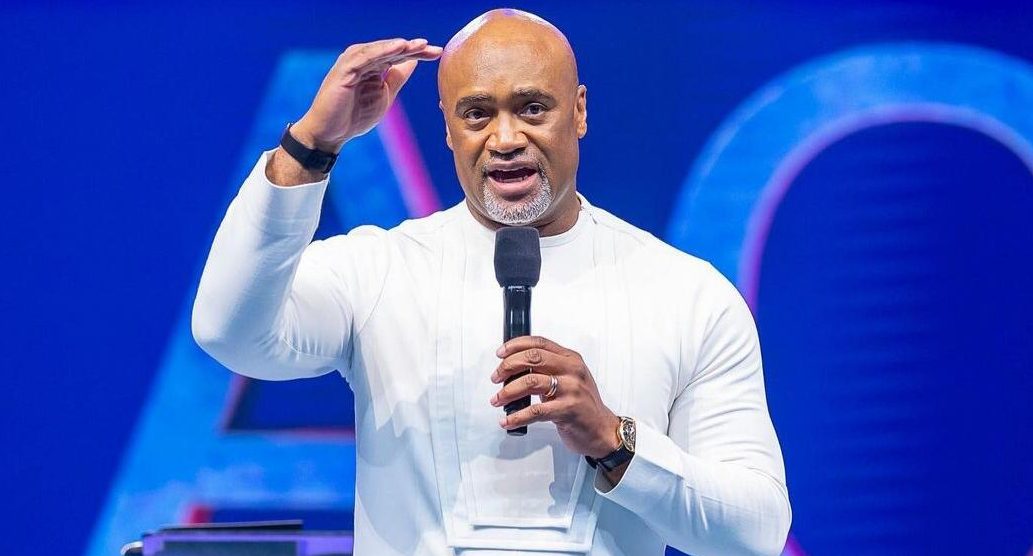
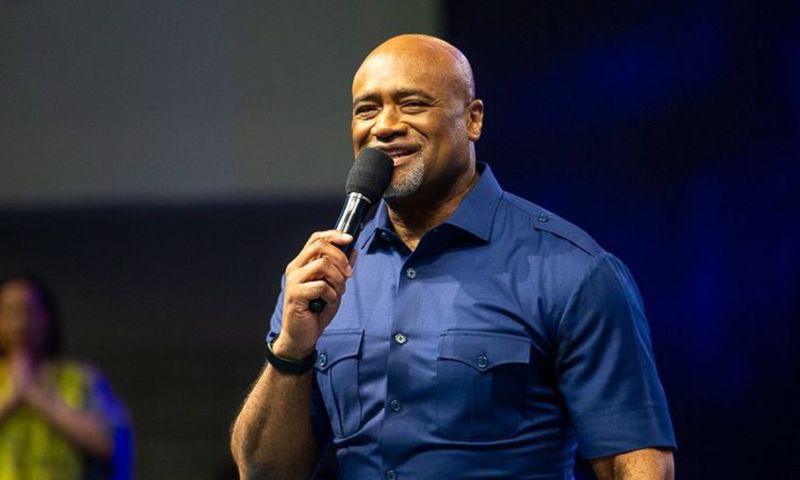
The man at the centre of this latest media cyclone? Pastor Paul Adefarasin — revered preacher, public thinker and Metropolitan of House on the Rock, a sprawling faith movement with branches across Nigeria and around the globe.
The allegation? That he pulled a gun—yes, a gun—on a vlogger.
A Man Beyond the Pulpit
To understand the magnitude of this moment, one must first understand the man.
Paul Adefarasin is not your typical church leader. He is a statesman of the spirit, a man whose sermons dance between theology and national rebuke, who can quote both Isaiah, Chinua Achebe and Martin Luther King in one breath. Over the decades, he has built more than just a church. He has built an ecosystem—of faith, civic consciousness, leadership empowerment, youth development and cultural renaissance.
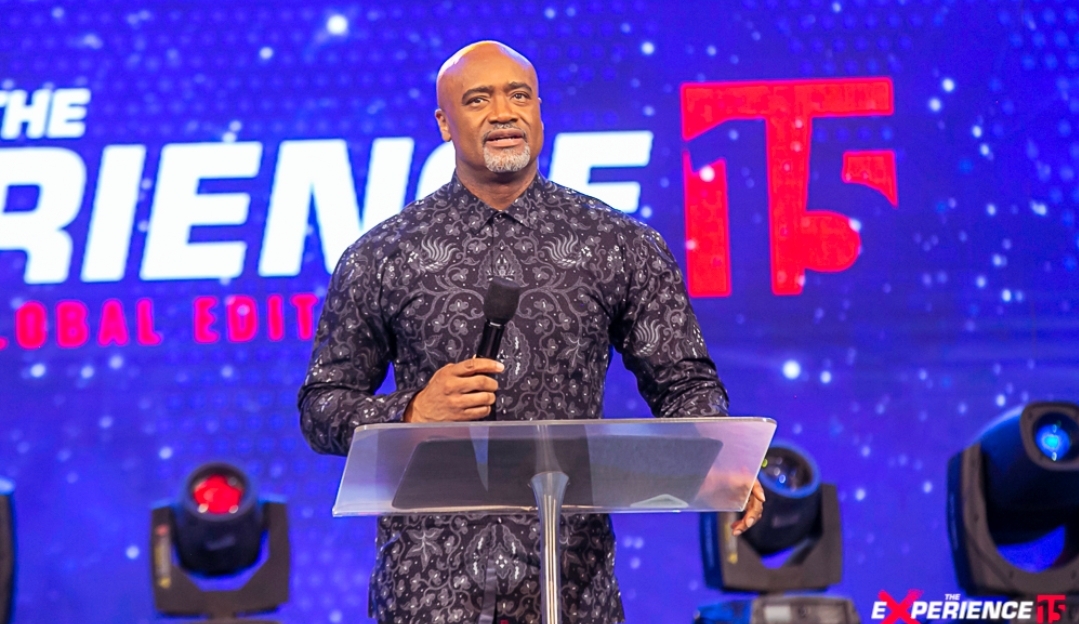
From convening the globally renowned The Experience Lagos, to championing economic empowerment through the Rock Foundation, to quietly supporting educational and rehabilitation programs in underserved communities, Adefarasin has positioned himself as one of the rare religious figures bridging sacred text with social transformation.
He has advised presidents. He has mentored paupers. And he has, over and over again, challenged a sleeping citizenry to awaken and build.
So how did we get to this?
The Incident at Lekki: A City on Edge
The facts, as always, are tangled in emotion and conjecture. A vlogger—part of a growing breed of citizen watchdogs—approached Pastor Paul in traffic. A recording device was raised. Voices were exchanged. And in a matter of seconds, the narrative spun out of control: “The pastor pulled a pistol!”
But upon careful review, eyewitness testimony, enhanced image analysis, and the conspicuous lack of any formal police escalation, a more reasonable account emerges: there was no firearm. The device shown in the recent viral clip is a strobe light stinger, also known as a stun-gun. It is not a firearm, lethal weapon or prohibited anti-riot equipment and was not used as an offensive weapon.
At no point in the viral clip did Pastor Paul exhibit any mental or physical intent to use the object in question to cause harm, incite fear, or facilitate any criminal act. His response was clearly a reflexive, defensive gesture in the face of an unexpected and intrusive approach by an individual who advanced toward him with a recording device—despite Pastor Paul’s express objection. Viewed objectively, his reaction mirrors what any reasonable Lagosian might instinctively do when confronted in traffic by a stranger wielding an unknown object in close proximity to their vehicle.
Still, the court of public opinion had already begun proceedings. And Pastor Paul was swiftly arraigned before the most prejudiced of judges: the unblinking eye of social media. Indeed, the irony of our times: the man who sat peacefully behind the wheel, disturbing no one, is now cast as the villain—while the one who breached his space, uninvited and undeterred, is garlanded with the laurels of victimhood. We have perfected the fine art of turning the intruded into the accused and the unprovoked into the persecuted. Such is the theatre of public opinion—where facts are but stagehands, and outrage takes centre stage.”
Fear, Fame, and the Phantom Gun
Lagos is a paradox—a megacity where both the billionaire and the bus driver sleep with one eye open. Every inch of the Lekki corridor is haunted by the spectre of disorder: miscreants at intersections, unregulated hawkers, drugged-out drifters with dead stares, and gangs of boys who emerge like ghosts in gridlock, tapping windows, flashing grins that don’t reach the eyes.
It is into this cauldron of collective anxiety that the vlogger appeared, camera raised, proximity breached, context unknown.
Who among us, in such moments, wouldn’t flinch? Who wouldn’t reach for something—steering wheel, phone, horn, hope, accelerator?
In this climate, even the illusion of aggression can feel real. The gun wasn’t pulled. But the trigger was fear and the bullet was perception.
The New Face of Chaos: When Vlogging Meets Vigilantism
There’s an emerging trend in Lagos and cities like it: unsanctioned confrontation disguised as content. Where citizen journalism becomes ambush theatre, and likes are earned by provoking public figures for lucre.
While transparency is crucial in a democracy, we must not confuse scrutiny with sabotage or activism with antagonism.
Not all who hold cameras are holding the truth. And not all who react, are guilty of malice.
Big Men, Bigger Fears
Yes, Pastor Paul is a prominent man. But prominence does not inoculate against paranoia. Ask any Lagosian with a tinted SUV and a beating heart. At every red light, we grip our phones like life jackets, glance into rear mirrors like fugitives, and eye every approaching pedestrian with suspicion.
Many of Lagos’ elite now travel in convoys—not out of arrogance, but out of insurance. Of safety. Of survival. The police escorts, the armoured Jeeps, the tinted windows — all are but modern-day chariots in the city of disorder.
Are we now to demand that a man of the cloth be the only one to travel without them?
Let He Who Has No Fear…
It is easy now to cast stones. To meme the moment. To drag the pastor through the muddy trenches of trending hashtags. But we must be honest with ourselves.
How many of us truly feel safe on the streets of Lekki at night?
How many of us haven’t imagined that one day, the “area boys” might rise not in annoyance, but in revolution, swarming motorists in a collective rage that traffic laws can no longer contain?
How many of us have quietly whispered prayers at stop signs?
So, before we roast the man on the pulpit, perhaps we should look at the altar of our own truths.
A Time to Heal. A Time to Reflect.
Pastor Paul Adefarasin is not above the law. He himself would tell you that. If found guilty of any unlawful act, he should be held accountable—as should we all.
But this incident, this storm in the city’s spiritual teacup, because in this instance Pastor Paul did not pull a gun or firearm.
It is about a city choking on fear.
A society numbed by spectacle.
A people at war with their own image.
A populist who is hungry for whatever they can get, even if it’s just clickbait
It is time we turn our cameras inward. Time to confront the miscreants, yes—but also the system that manufactures them. Time to stop reaching for weaponised social media trends—real or imagined—and instead reach for veritable justice systems and law reforms.
Until then, let he who has never feared a knock on his car window cast the first tweet.
Henry Balogun (HB) is a seasoned lawyer, public communications and government relations expert, and media entrepreneur—founder and Publisher of multiple influential platforms shaping the Nigerian and African media narrative.