

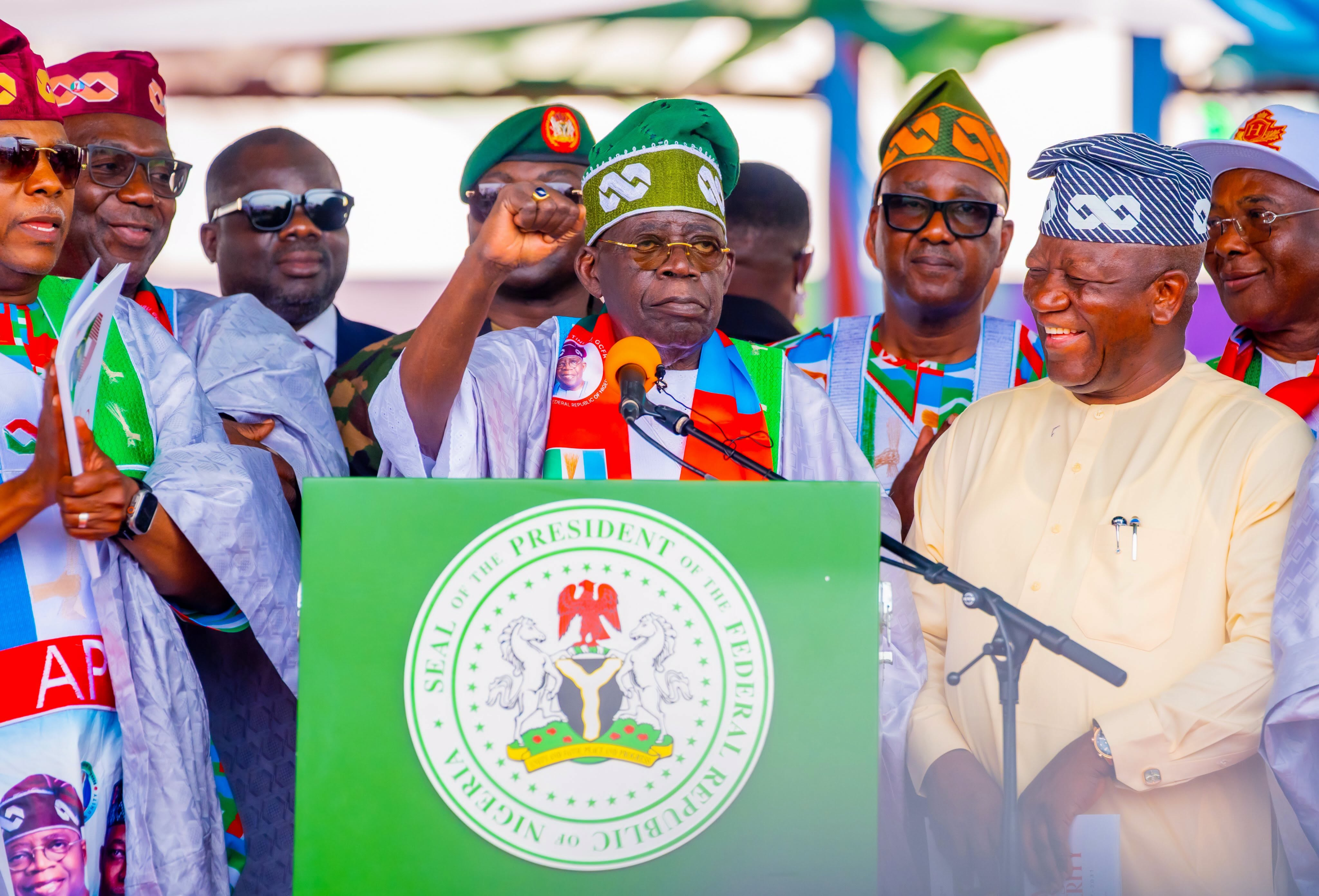
President Bola Ahmed Tinubu’s administration is advancing a five-year defence framework intended to strengthen Nigeria’s response to terrorism, banditry, kidnapping and other security threats, according to the All Progressives Congress Presidential Campaign Council.
In a statement issued on 15 November 2026, the council’s spokesperson, Dele Alake, said the Strategic Defence Operations Plan was ready. He described a coordinated approach linking military operations, intelligence, technology, personnel development and expenditure to identified national security priorities.
For communities confronting insecurity, the intended outcome is practical: stronger protection, more effective responses to threats and security institutions better equipped to sustain their operations.
Strengthening coordination and preparedness
The initiative follows President Tinubu’s August directive for a comprehensive National Threat Assessment and a rolling five-year Strategic Defence Operations Plan.
The framework is intended to establish operational priorities, identify capability gaps and guide investment in the personnel, equipment, infrastructure and logistical support required by security agencies.
Its rolling structure provides for annual review, allowing priorities to respond to emerging threats and lessons from ongoing operations.
Expanding personnel and training capacity
The campaign council highlighted approval for recruiting 28,000 additional soldiers, alongside police recruitment authorisations totalling 50,000 officers.
It also reported the creation of four Army divisions and approval for additional training depots in Osogbo, Osun State, and Amasiri-Edda, Ebonyi State.
According to the statement, the two facilities have a combined capacity to accommodate 12,000 recruits at a time, with 5,210 already undergoing training at Osogbo.
These measures are intended to expand training capacity and increase the availability of personnel for security duties.
Supporting personnel and sustained operations
The council also cited investment in military accommodation and operational infrastructure, including a 700-unit barracks project in Ikere-Ekiti.
Such investment forms part of the administration’s stated effort to address personnel welfare and the facilities needed to support an effective military presence.
On operational results, the council reported that more than 15,000 terrorists and bandits had been killed over three years. It also cited the surrender of more than 130,000 Boko Haram fighters and their dependants.
The council presented these figures as reflecting the combination of military operations and non-military interventions. The figures are attributed to the council.

Keeping civilian protection at the centre
The announced framework brings recruitment, preparedness, coordination and resource planning into a common security programme.
Its implementation will be important to translating those measures into the outcomes Nigerians need: safer communities, secure livelihoods and greater confidence in everyday life.
Source: APC Presidential Campaign Council statement, 15 November 2026, and earlier government announcements.