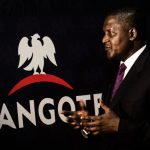


Industrialist Aliko Dangote has assured Nigerians that fuel shortages will be a thing of the past this festive season, promising a steady supply of petrol across the country.
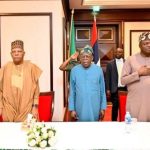
Speaking to reporters after meeting President Bola Tinubu at the Aso Rock Villa, Dangote revealed that his refinery is ready to deliver 50 million litres of Premium Motor Spirit (PMS) daily well above Nigeria’s current national consumption. He emphasized that this would eliminate the long-standing fuel queues that have plagued the country since 1972, noting that the solution comes from domestic production rather than imports.
“Even during maintenance periods at the refinery, queues disappeared. Now, we can confidently say fuel lines are over,” Dangote stated. He added that by February, the refinery would produce 15–20 million litres more than the country requires, enabling Nigeria to export surplus fuel to neighboring nations.
Dangote also highlighted benefits for local industries, particularly the plastics sector, which will now have reliable access to locally produced feedstock, ending years of reliance on imports worth around $400 million annually.
Looking ahead, Dangote announced an ambitious expansion plan that will increase his refinery’s capacity to 1.4 million barrels per day by 2028, surpassing India’s Reliance refinery, currently the world’s largest. Construction piling is set to begin by the end of January.
The businessman also plans to boost the Group’s urea production to 12 million tonnes annually, aiming to position Nigeria as the leading global fertilizer producer, surpassing Russia and Qatar. “Our vision is to supply the entire African continent,” he said.
Addressing fuel price trends, Dangote attributed recent declines to increased competition and a reduction in smuggling. He stressed that the refinery business is a long-term national investment and reiterated his commitment to providing Nigerians with essential resources like fuel, fertilizer, and power.
Dangote also drew attention to logistical bottlenecks in the solid minerals sector, citing congestion at major ports. To address this, the Group is developing what will become West Africa’s largest deep-sea port at Olokola, expected to be completed in the next two to two-and-a-half years.
Supporting the government’s naira-for-crude initiative, Dangote described the policy as a patriotic effort to strengthen the economy, despite resistance from international oil companies. He said the refinery is positioned to compete globally, with the ultimate goal of making Nigeria the refining hub of Africa.
He urged wealthy Nigerians to invest in industrial projects rather than luxury items, emphasizing that domestic investment is key to sustainable economic growth. “Once local investors lead, foreign capital will follow,” Dangote said.
The meeting with President Tinubu, he added, was a routine consultation focused on enhancing the business environment and boosting industrial development in Nigeria.