

Former Vice President Atiku Abubakar has criticised President Bola Tinubu over recent remarks comparing petrol prices in Nigeria with those in other African countries, saying the comparison does not reflect the economic hardship faced by Nigerians.
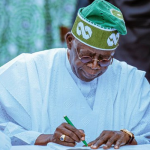
Tinubu had, during a visit to Bayelsa State, urged citizens to appreciate that petrol remains cheaper locally than in countries such as Kenya, while acknowledging the strain caused by rising living costs and promising support for vulnerable groups.
Responding through a statement issued in Abuja by his media aide, Atiku argued that focusing only on fuel prices overlooks more important economic indicators such as income levels, purchasing power and overall cost of living. According to him, judging citizens’ welfare by pump prices alone gives a misleading picture of the real situation in the country.
The former vice president noted that although petrol may sell for less in Nigeria than in some African nations, everyday expenses remain significantly high for Nigerians when compared with their earnings. He maintained that the financial burden on citizens becomes clearer when wages and living costs are considered together.
Atiku further compared earnings in Nigeria with those in Kenya, stating that workers in Nairobi earn far more than Nigerian workers, even though they pay higher prices for goods and services. He said this contrast shows that affordability depends on the balance between income and expenditure, not the price of a single commodity.
He also faulted the country’s wage structure, saying it fails to match the current economic realities and regional disparities in living costs. In his view, many households are struggling because salaries have not kept pace with inflation and rising prices.
The opposition figure warned that selective comparisons could make the government appear disconnected from the daily challenges facing citizens. He urged the administration to prioritise policies that improve income levels and reduce the overall cost of living rather than relying on isolated statistics.
Atiku concluded that Nigerians need practical economic relief and policies that directly address declining purchasing power, rather than comparisons that, in his opinion, do not capture the full picture of the hardship across the country.