The August 16 by-elections across 12 states have raised fresh doubts about Nigeria’s electoral system, with many observers criticizing INEC’s performance and demanding reforms ahead of 2027.
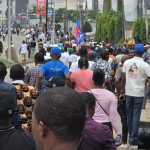
The polls, held in states such as Adamawa, Anambra, Edo, Enugu, Jigawa, Kaduna, Kano, Taraba, and Zamfara, were marred by violence, low voter turnout, vote-buying, and logistical setbacks. Security agencies in Kano arrested nearly 300 suspected thugs, highlighting the extent of disruptions.
A major concern was INEC’s failure to fully upload results to the IReV portal within 72 hours after the polls. Civil society groups said this fell short of the standard set during the 2024 Ondo governorship election, when results were uploaded promptly on the same day.
INEC eventually declared APC winners in 10 states, PDP in Oyo, and APGA in Anambra, while Zamfara’s exercise was ruled inconclusive.
Vote-buying was also widespread, with cases of cash inducements and food items given to sway voters. In Kaduna, one suspect was caught with over ₦25 million meant for influencing the polls.
As current INEC Chairman Prof. Mahmood Yakubu prepares to leave office later this year, attention has shifted to his replacement. Groups such as Yiaga Africa insist that the next chair must be independent, non-partisan, and experienced in electoral matters. They also want the selection process opened up to public scrutiny to build confidence in whoever emerges.
Observers argue that unless INEC learns from these lapses and strengthens transparency, Nigeria risks sliding further into electoral distrust.