

By Nwanne Okafor
Lately, I have found myself asking some rather uncomfortable questions about the black race. Not because I have suddenly become a philosopher or because I have been reading too many books, but because I am genuinely confused by some of the things I see happening around us.
Sometimes I wonder whether the rest of humanity has received a software upgrade and we, as a people, are still trying to figure out how to install ours. And nobody seems particularly bothered about checking for updates!
I mean, look at us. We are intelligent, resourceful, resilient, incredibly talented and blessed with an abundance of natural and human resources. We have produced world-class academics, scientists, entrepreneurs, artists, athletes and professionals. We have conquered industries, broken barriers and made our mark across the globe.
Yet, somehow, we continue to entertain behaviours that make me wonder whether evolution forgot to complete our installation!
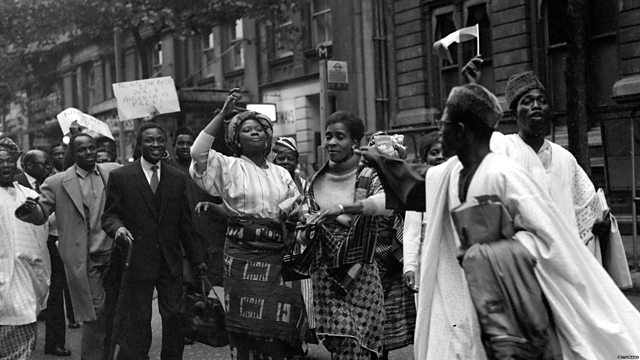
Let’s start with our environment. Across many African cities, we complain about overflowing refuse, blocked drains, polluted rivers, flooding and filthy streets. We want beautiful cities like Singapore, Dubai and London, but sometimes behave as though the public space is somebody else’s living room.
We finish our drinks, roll down the car window and send the empty bottle on an international flight into the gutter. Then, when the rains come and the streets are flooded, we blame the government!
In Lagos, the smell in some neighbourhoods can practically introduce itself before you arrive. But surely, the government cannot be expected to follow every adult around with a dustbin?
And this isn’t just a Nigerian problem. We see similar challenges in different African cities. We want clean environments, but are we prepared to be clean citizens? We want efficient waste management, but can we manage the little waste in our own hands?
Then comes our relationship with leadership. Ah, leadership!
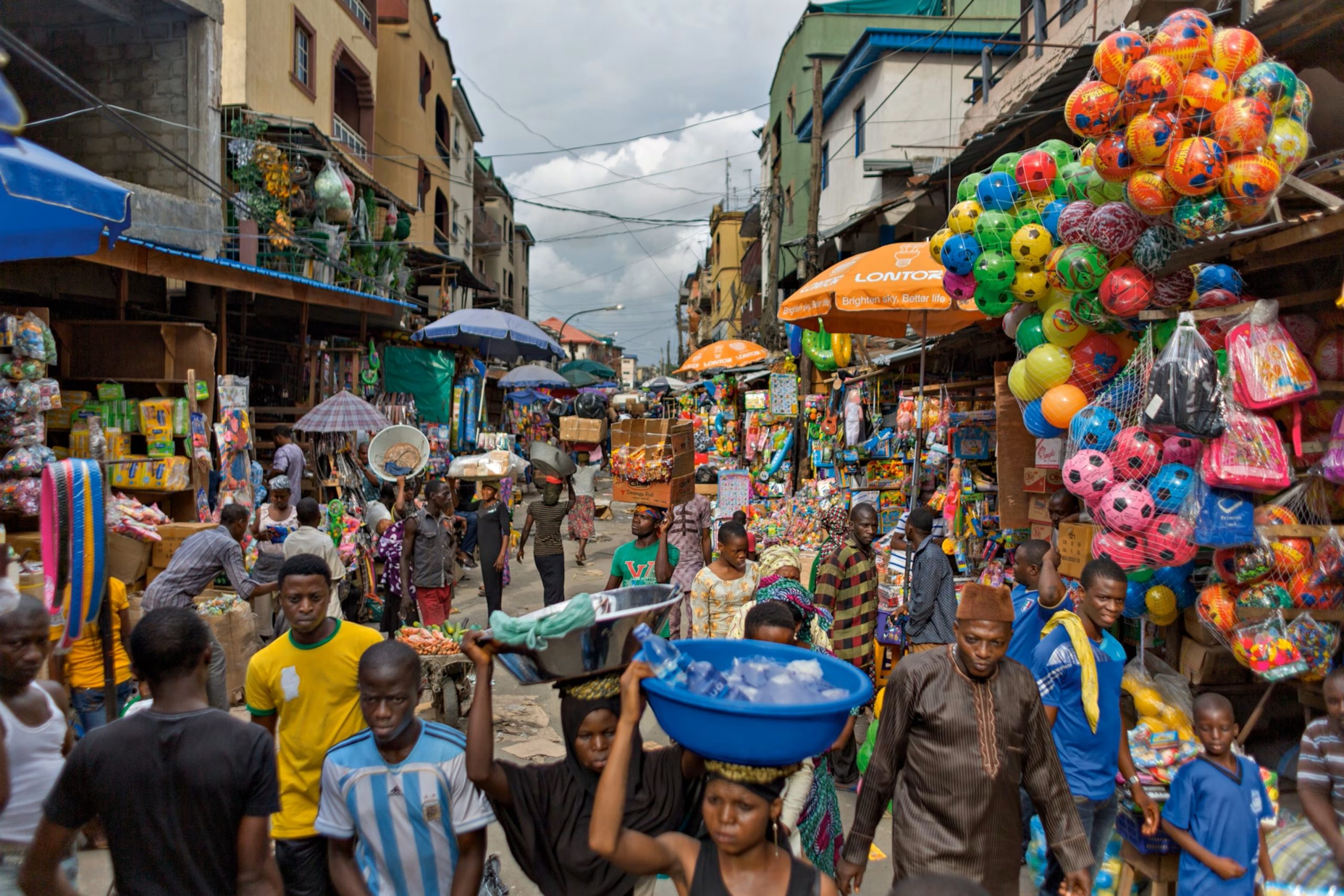
In the corporate world, we have retirement ages. Depending on the country, profession and sector, people are expected to step aside at 60 or 65, making room for fresh ideas and younger generations. But in politics, apparently, the rules of human ageing are suspended!
Across parts of Africa, we seem to have developed a special affection for our political Methuselahs. Some have been around for so long that they have witnessed several generations of political appointments, national anthems, constitutions and currency redesigns. Some have occupied positions of power for so many years that one wonders whether they came with the building!
And the irony? We will happily retire a civil servant at 65, but when it comes to political leadership, suddenly age is just a number. Experience is everything. Continuity is essential. And apparently, nobody else is qualified to hold the steering wheel!
We preach youth empowerment, organise conferences on succession planning and talk endlessly about giving the next generation a chance. But when it is time to hand over the baton, our leaders suddenly discover that the baton is an heirloom!
Of course, age itself is not the issue. Wisdom, experience and good leadership are not exclusive to the young. But surely, leadership should be about service, accountability and the ability to build a future beyond one’s own tenure.
And before we point all our fingers at presidential palaces, let’s look closer to home. How many of us in our workplaces, churches, associations and community organisations are also guilty of holding on to positions as though they are hereditary titles? It appears the Methuselah syndrome may be more widespread than we thought!
Then there is our relationship with money. We want wealth, success and the good life. Nothing wrong with that. But sometimes the pursuit of wealth appears to have become an Olympic sport in which integrity is an optional accessory.
We admire people who display wealth without asking too many questions about how it was acquired. A flashy car, an expensive watch and a magnificent house can earn someone instant respect, even when we know absolutely nothing about the source of the money.
We have somehow perfected the art of celebrating the packaging while ignoring the contents.
And our obsession with titles! Good heavens!
Everybody must be a Chief, Doctor, Professor, Ambassador, Chairman, Director or His Excellency. Everybody must be addressed properly. We have so many important people that one wonders who is left to do the actual work!
Sometimes I suspect that if we could, we would put our academic qualifications, professional titles and honorary awards on our birth certificates.
Yet, respect for simple rules, public property and other people’s rights can sometimes prove rather elusive.
Religion is another interesting subject. We are deeply spiritual people. Across the continent and in the diaspora, churches, mosques and religious gatherings are full. We pray, fast, sing, dance, prophesy and declare breakthroughs. We can pray for eight hours without blinking!
But can we be honest for five minutes?
Can we stop cheating one another? Can we honour agreements? Can we treat our domestic staff, drivers, cleaners and employees with dignity? Can we pay people what we owe them? Can we stop using our positions to intimidate those who have none?
Surely, the Almighty God must sometimes wonder whether we have mistaken prayer for a substitute for good behaviour!
And speaking of behaviour, let’s talk about our attitude towards one another.
We celebrate black excellence, but do we always support one another? We shout about racism and discrimination, rightly so, but how do we treat people within our own communities who are less privileged? How do we treat people from different tribes, ethnic groups, nationalities or social classes?
We want the world to see us as one people, yet sometimes we cannot even tolerate the person who speaks a different language or comes from a different part of our own country.
We demand respect from the world but are not always generous with it towards one another.
We also seem to have mastered the art of blaming everybody else.
The government is responsible. The colonialists are responsible. The West is responsible. The economy is responsible. The weather is responsible. Sometimes I suspect Mercury in retrograde is also responsible!
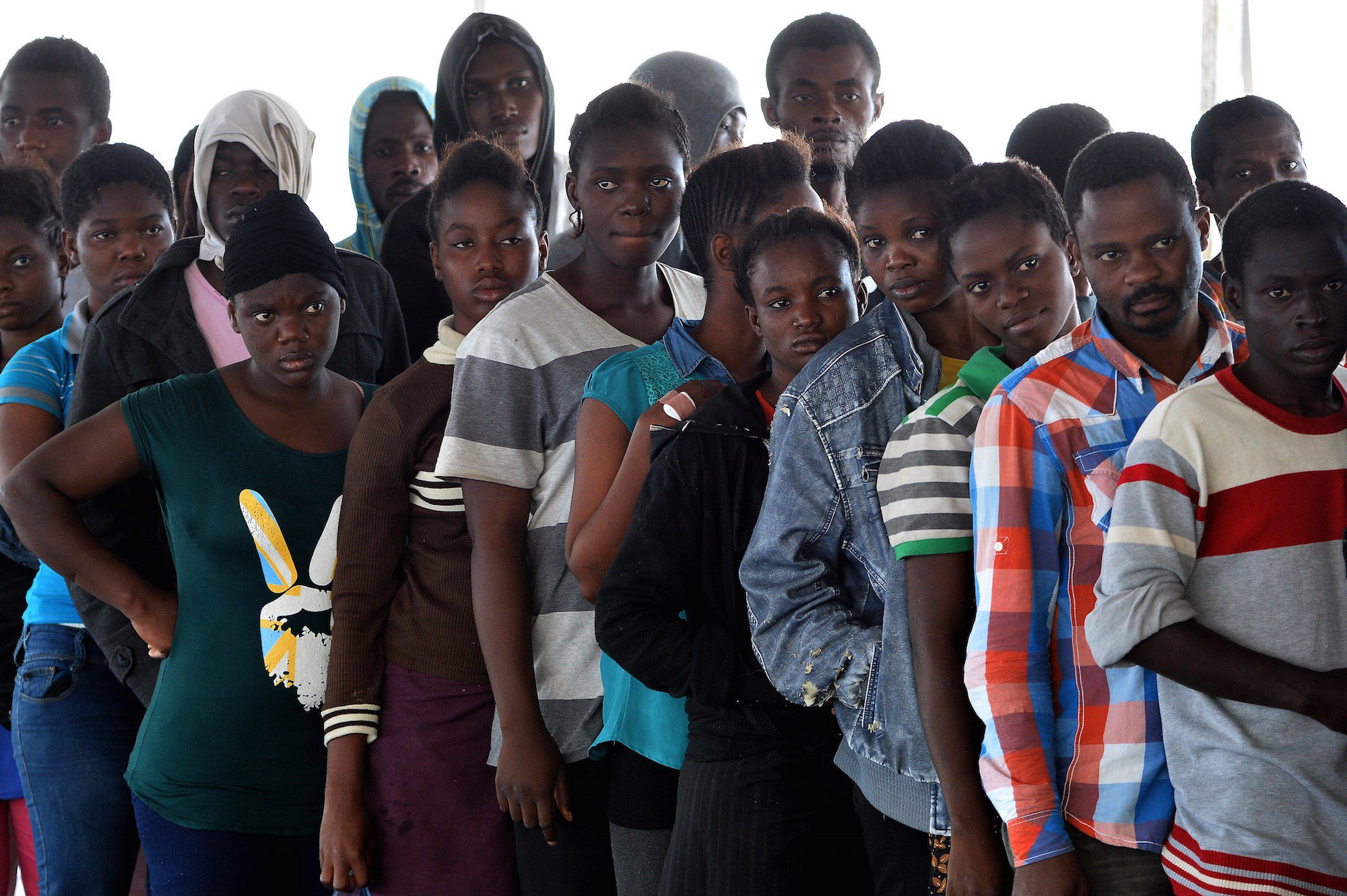
Now, let me be clear. History matters. Slavery, colonialism, exploitation, systemic discrimination and global inequalities have had profound and lasting consequences for black people. We cannot pretend otherwise. But surely, acknowledging historical injustice does not absolve us of responsibility for what we do with the present.
We cannot spend all our time explaining why things are difficult and none of our time examining what we can change.
And perhaps this is where I must include myself. Because it is rather convenient to sit in the comfort of one’s home, point fingers at everybody else and write a brilliant piece about the shortcomings of the black race.
But am I always the citizen I expect others to be? Do I always obey the rules? Do I always do the right thing when nobody is watching? Do I sometimes expect privileges I would criticise in another person? Am I part of the problem in ways I would rather not admit?
I suspect the answer, for many of us, is that we have some work to do.
I am certainly not suggesting that the black race has failed to evolve. Far from it. Our achievements are enormous, our resilience is remarkable and our potential is undeniable. But perhaps we have been paying too much attention to material advancement and not enough to behavioural evolution.
We have smartphones, artificial intelligence, luxury homes, private jets and access to information that previous generations could only dream about. Yet, in some places, we still struggle with basic civic responsibility, accountability, tolerance, succession planning and respect for the common good.
So, here is my question: Have we fully evolved, or have we simply become more sophisticated versions of ourselves?
Perhaps the next stage of our evolution does not require another university degree, another luxury car, another honorary doctorate or another motivational conference telling us how exceptional we are.
Perhaps it requires something much simpler: a little more discipline, a little more honesty, a little more consideration for others and a willingness to take responsibility for our own actions.
Perhaps we need to understand that civilisation is not measured by the number of skyscrapers we build, the cars we drive, the titles we acquire or the number of zeros in our bank accounts. It is also measured by how we treat one another, how we respect shared spaces, how we uphold standards and what we leave behind for the next generation.
I don’t have all the answers. I am simply asking questions, and perhaps we should all be asking them.
Because the truth is, we cannot keep demanding a better society while refusing to become better citizens.
And please, I include myself in this upgrade!
Because clearly, some of us are still running on the trial version. And our free trial has been running for far too long!
Nwanne Okafor is a Victimologist based in Lagos Nigeria