At least 130 Nigerians have already registered for voluntary evacuation flights from South Africa as Nigeria moves to safeguard its citizens amid rising tensions linked to anti-foreigner protests in the country.
The Minister of Foreign Affairs, Bianca Odumegwu-Ojukwu, in a situation report via her X handle on Sunday, said the evacuation arrangement is part of broader diplomatic and security measures being coordinated with Nigerian missions in South Africa.
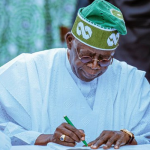
The minister explained that the evacuation plan follows directives from President Bola Tinubu, who ordered heightened monitoring of the situation and stronger protection for Nigerians abroad.
“The President has reiterated that the priority at this time remains the safety of our citizens,” she said, adding that “arrangements are currently underway to collate details of Nigerians in South Africa for voluntary repatriation flights for those seeking assistance to return home.”
Odumegwu-Ojukwu said, “So far, 130 applicants have duly registered for the exercise with our mission,” noting that the number is expected to increase as more citizens seek assistance to return home.
Odumegwu-Ojukwu also confirmed that the ministry had summoned South Africa’s Acting High Commissioner over the unrest, while diplomatic engagements continue with authorities in South Africa.
The development comes amid renewed anti-immigrant demonstrations in cities including Pretoria and Johannesburg, which Nigerian authorities say have heightened concern for the safety of their nationals.
“There is heightened anxiety over the series of anti-foreigner protests, also targeted at Nigerians in select cities in the Republic of South Africa in recent weeks,” the minister said.
She added that the President had “expressed grave concern on the situation following a briefing, and has called for more effective control of the situation by relevant host security services.”
Odumegwu-Ojukwu noted that while South African authorities, including President Cyril Ramaphosa and senior security officials, had condemned violence, disturbing images circulating online had fuelled international concern.
“The images pervading both mainstream and social media depicting violence, carnage and targeted xenophobic killings of foreign nationals and demonstrations characterised by xenophobic rhetoric, hate speeches and incendiary anti-migrant statements by the arrowheads of such rallies, have generated worldwide condemnation,” she stated.
According to her, protests held between April 27 and 29, 2026, were largely peaceful but still required heavy police deployment in the affected cities.