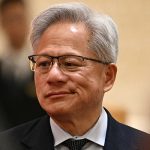
The Federal Government has refuted reports suggesting that the Minister of State for Finance, Taiwo Oyedele, admitted mistakes in the country’s newly implemented tax laws.
In a clarification issued by the Presidential Fiscal Policy and Tax Reforms Committee, the government described the reports as inaccurate and said they misrepresented the minister’s remarks during a recent public discussion in Lagos.
According to the committee, Oyedele did not concede that the laws contained errors nor did he call for any legislative investigation. Instead, he highlighted progress recorded since the reforms took effect in January 2026, following their signing in 2025.
The committee explained that the minister spoke about the early impact of the reforms while participating in a fireside chat at a conference organised by the Nigerian Bar Association Section on Legal Practice.
During the session, he reportedly pointed to a sharp rise in business registrations with the Corporate Affairs Commission and a significant increase in the number of registered taxpayers nationwide.
Officials attributed these developments to provisions in the new tax framework, including exemptions for small enterprises and low-income earners, as well as relief measures on essential goods and services such as food, education, healthcare, transport and housing. The introduction of a Tax Ombud to safeguard taxpayer rights was also cited as part of the reform’s protective measures.
While acknowledging that legislation can always be improved, the committee said Oyedele stressed the importance of continuous engagement with stakeholders to identify areas that may require future amendments through subsequent finance bills.
The statement urged the public to disregard what it described as sensational interpretations of the minister’s comments and instead rely on verified sources for accurate information about the tax reforms.
The new tax regime was designed to simplify Nigeria’s tax system, reduce overlapping taxes, widen the revenue base, and ease the burden on vulnerable groups and small businesses.
However, debate over the reforms intensified last year when some lawmakers, including Abdussamad Dasuki, alleged differences between the versions of the bills passed by the National Assembly and the gazetted copies. Professional services firm KPMG also raised concerns over possible gaps and inconsistencies in the laws.
Oyedele, who chairs the tax reforms committee, has consistently rejected claims that the implementation process was based on incorrect documents, maintaining that the reforms are being carried out as planned while refinements continue where necessary.