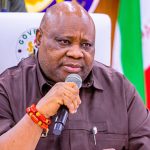
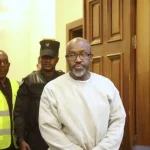
Uncertainty surrounds the leadership of the Nigerian National Petroleum Company Limited (NNPCL) following reports that its Group Chief Executive Officer, Bayo Ojulari, was allegedly pressured to resign by operatives of the Economic and Financial Crimes Commission (EFCC).
Sources claim the reported incident occurred on Friday night, allegedly without presidential approval. EFCC Chairman Ola Olukoyede and DSS Director-General Adeola Ajayi were said to be involved in the operation, which some insiders have described as a “civilian coup.”
In response, the Presidency has dismissed the claims. Presidential spokesperson Bayo Onanuga stated on Saturday that Ojulari remains the substantive head of the NNPCL, reaffirming his appointment in April 2025 to lead the company’s reforms.
The resignation rumours come amid growing pressure from civil society organisations over Ojulari’s alleged involvement in a $21 million corruption case. Groups such as OilWatch Nigeria and the Workers’ Rights Alliance have accused him of economic sabotage and called for his arrest and prosecution. According to them, a detained associate of Ojulari confessed to holding the funds on his behalf.
These allegations have sparked a wave of protests in Abuja since August 1, with demonstrators gathering at the National Assembly, NNPCL headquarters, and EFCC offices. Protesters are also demanding accountability for the extended shutdown of refineries and raising concerns over alleged plans to privatise key NNPCL assets.
In a related development, whistleblower claims linked to a kickback scheme involving oil traders and contractors led to the freezing of a suspicious account. This came after Ojulari reportedly reassigned responsibilities related to fund collections.
Calls for a deeper probe intensified after the Socio-Economic Rights and Accountability Project (SERAP) had, in May 2025, urged both EFCC and ICPC to investigate a reported N500 billion shortfall in NNPCL remittances between October and December 2024.
Despite the accusations, several groups have rallied behind Ojulari. The Coalition for Good Governance and the Human Rights Writers Association of Nigeria argue that the allegations are politically motivated. They praise Ojulari’s efforts in improving transparency, introducing contract audits, and stabilising fuel supply, which they say has reduced queues at filling stations.
Still, criticism persists over alleged lavish spending, including a high-profile retreat in Kigali, and concerns about staff morale under his leadership.
The Niger Delta Environmental Justice Coalition (NDEJC) has also criticised the reported EFCC-DSS operation, calling it politically driven, though they acknowledged Ojulari’s efforts to boost oil production and financial remittances.
As of Saturday night, no official statement had been released by the EFCC regarding Ojulari’s status, leaving the situation unclear and the nation watching closely for the next move.