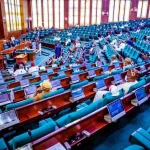


All 133 Catholic cardinals eligible to vote for a new pope have arrived in Rome, the Vatican confirmed on Monday, ahead of the conclave beginning this week.
They will enter into seclusion in the Sistine Chapel at 4:30 pm (1430 GMT) on Wednesday, voting in secret until one of them secures the required two-thirds majority to become the next head of the Roman Catholic Church.
Summoned following the death of Pope Francis on April 21, the group — representing 70 countries across five continents — is the largest and most diverse conclave in the Church’s history.
At stake is the direction of the Catholic Church, a 2,000-year-old institution with huge global influence but which is battling to adapt to the modern world and recover its reputation after the scandal of widespread child sex abuse by priests.
The 133 so-called “Princes of the Church” who will vote — all those aged under 80, minus two who are absent for health reasons — will gather on Wednesday afternoon under the frescoed splendour of the Sistine Chapel at the Vatican.
Voting once that day and four times a day thereafter until a pope is chosen, they will stay at the nearby Santa Marta guesthouse but are forbidden from contacting the outside world until they have made their choice.
They will inform the waiting world of their progress by burning their ballots and sending up smoke — black if no candidate has reached the two-thirds majority of votes, or white if they have a winner.
On Monday morning, technicians installed red curtains on the balcony of St Peter’s Basilica, where the new pontiff will make his first appearance.
At issue is whether the new pontiff will follow the popular Argentine pontiff’s progressive line or whether the Holy See will pivot towards a more conservative traditionalist leader.
Francis, an energetic reformer from Buenos Aires, ran the Church for 12 years and appointed 80 percent of the current cardinal electors.
But experts caution they may not choose someone in his model, with many warning there could be surprises.
Vatican affairs specialist Marco Politi told AFP that, given the unknowns, the conclave could be “the most spectacular in 50 years”.