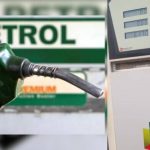
Experts are predicting that petrol prices in Nigeria could experience a significant decline in 2025, potentially falling below N500 per litre.
Currently, the price of Premium Motor Spirit (PMS) is between N900 and N950 at most fuel stations.
Several factors are contributing to this optimistic forecast, including the impact of the federal government’s deregulation of the downstream sector, which is expected to foster greater competition and efficiency.
The introduction of new refineries, such as Dangote, Port Harcourt, and Warri, as well as a stable foreign exchange policy, are all seen as key drivers of price reduction.
The government’s policy to allow local refineries to purchase crude oil in naira, as well as the recent surge in modular refinery activity, is further boosting the potential for lower petrol prices.
These developments are expected to lead to a more competitive market, with multiple sources of domestic production decreasing Nigeria’s reliance on imported petrol.
Currently, the country consumes about 40 million litres of petrol daily, with local production meeting just 20.5% of demand.
While Dangote Refinery produces 7 million litres and NNPCL 1.2 million litres, the rest is imported. With the recent activation of the Warri and Port Harcourt refineries, experts are hopeful that domestic production will increase, leading to price competition and lower costs for consumers.
The continued decline in the value of the dollar against the naira is also seen as an important factor in reducing petrol prices, as it would alleviate pressure on foreign exchange reserves. The naira-for-crude policy is expected to contribute to a stable forex environment, further easing price burdens.
As more refineries come online and competition intensifies, stakeholders are confident that petrol prices will continue to fall, potentially dipping below N500 per litre by the end of 2025.